

Happy Visitors Dot Com
About Happy Visitors Dot Com
Posts by Amol Mirje:
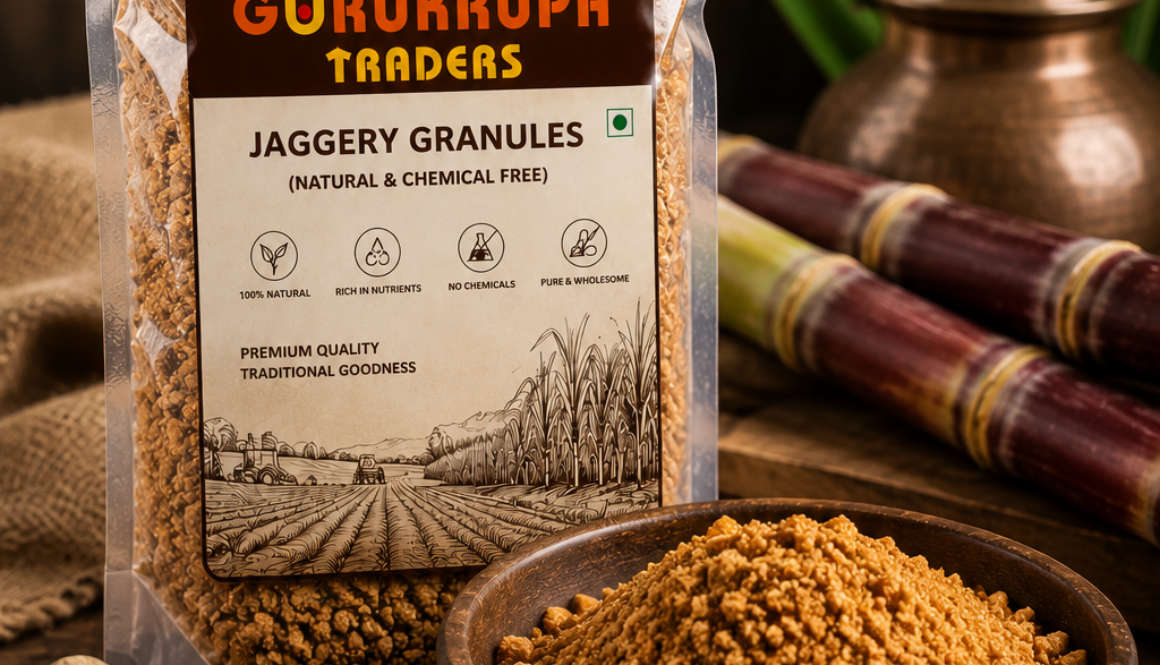


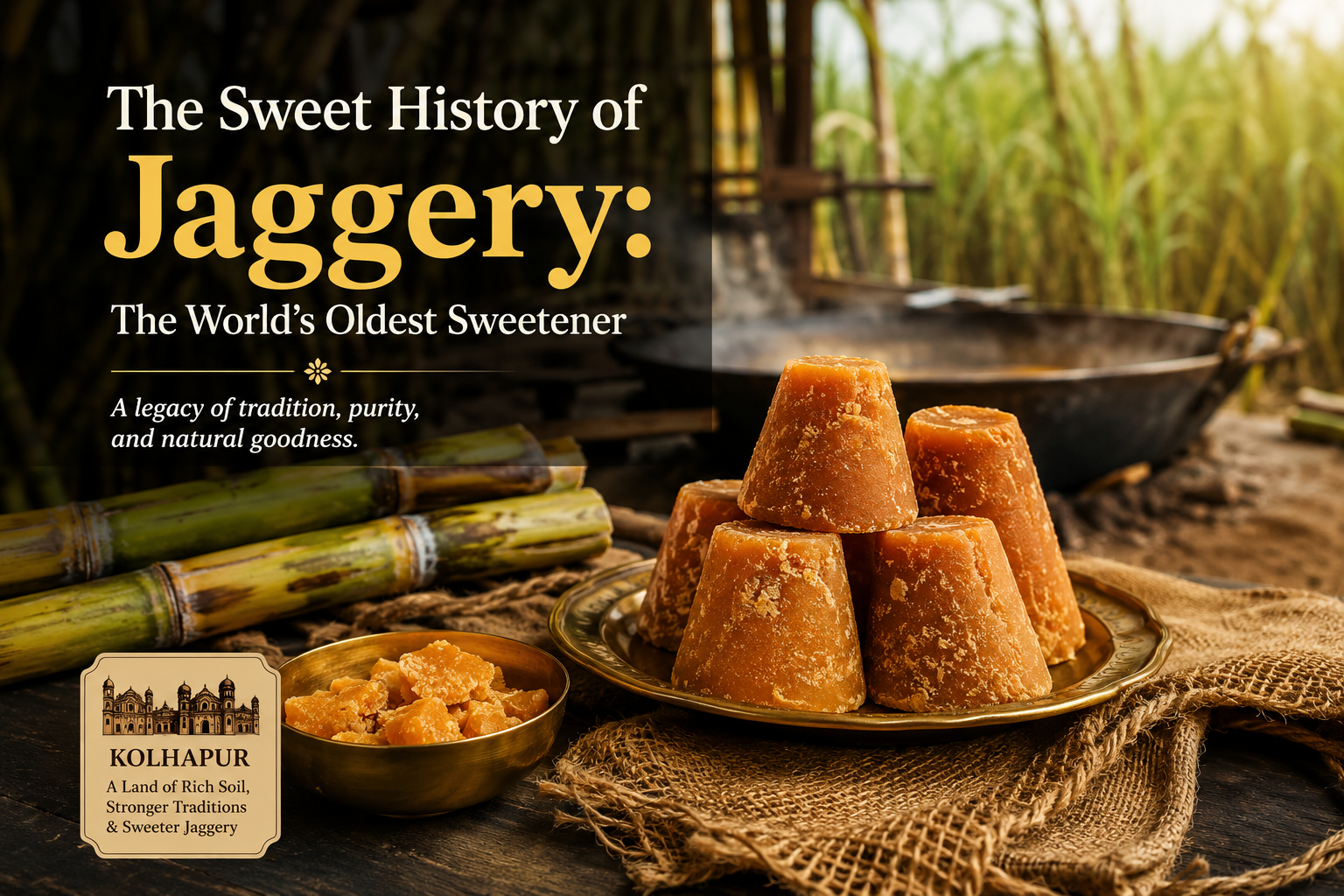
Long before refined white sugar became a staple in kitchens around the world, there was jaggery a wholesome, traditional sweetener that has been enjoyed for thousands of years. Rich in history, culture, and craftsmanship, jaggery continues to hold a special place in both homes and global markets.
A Sweet Legacy That Began in Ancient India
The story of jaggery begins in ancient India, where sugarcane cultivation dates back more than 2,500 years. Indian farmers and artisans were among the first to master the art of extracting juice from sugarcane and boiling it into a concentrated, golden-brown sweetener.
Interestingly, the English word “sugar” is believed to have evolved from the Sanskrit word “Sharkara,” highlighting India’s significant influence on the world’s sweetening traditions.
Before refined sugar was invented, jaggery was the preferred sweetener across Asia, the Middle East, and parts of Africa. Traders carried it along ancient trade routes, making it one of the earliest agricultural products exchanged between civilizations.
More Than Just a Sweetener
Unlike refined sugar, jaggery is made using a simple, traditional process with minimal processing.
Fresh sugarcane juice is extracted, filtered, and slowly boiled in large open pans until it thickens into a rich syrup. It is then poured into molds or trays and allowed to cool into the familiar golden or dark brown blocks.
This traditional method helps preserve the natural flavor of sugarcane while retaining small amounts of naturally occurring minerals such as iron, calcium, potassium, and magnesium.
Kolhapur – A Name Synonymous with Premium Jaggery
When people think of high-quality jaggery in India, Kolhapur is often one of the first names that comes to mind.
Located in Maharashtra’s fertile sugarcane belt, Kolhapur has built a reputation over generations for producing jaggery with its distinctive golden color, rich aroma, smooth texture, and balanced sweetness. The region’s fertile soil, favorable climate, and abundant water resources create ideal conditions for cultivating premium-quality sugarcane.
Traditional jaggery-making remains an important part of rural life in Kolhapur. During the harvest season, local processing units come alive as freshly harvested sugarcane is transformed into jaggery using techniques passed down through generations. The sight of steaming sugarcane juice simmering in large iron pans is a familiar and cherished tradition across the region.
Today, Kolhapur jaggery is appreciated not only across India but also in international markets for its consistent quality and authentic taste.
From Ancient Trade Routes to Modern Global Markets
For centuries, jaggery traveled by caravans and sailing ships, supplying traders, travelers, and communities with a natural source of energy.
Today, its journey continues through modern global supply chains. Demand for natural sweeteners has grown in many countries as consumers increasingly seek less processed alternatives to refined sugar. Jaggery is now exported worldwide for use in traditional foods, confectionery, beverages, bakery products, and health-focused recipes.
Fun Facts About Jaggery
-
Jaggery has been produced in India for over two millennia.
-
Ancient travelers often carried jaggery because it stored well and provided quick energy.
-
India is one of the world’s largest producers of jaggery.
-
Jaggery is now exported to numerous countries across Asia, Europe, North America, the Middle East, and Africa.
-
Kolhapur has earned recognition as one of India’s most respected regions for premium-quality jaggery.
A Tradition That Continues to Thrive
In an age of highly processed foods, jaggery stands as a reminder that traditional methods and natural ingredients continue to have enduring value.
From the sugarcane fields of Kolhapur to dining tables across the globe, jaggery carries with it centuries of agricultural heritage, skilled craftsmanship, and authentic flavor. Every block of jaggery tells a story—one that began thousands of years ago and continues to sweeten lives around the world.
Because sometimes, the sweetest traditions are also the oldest.